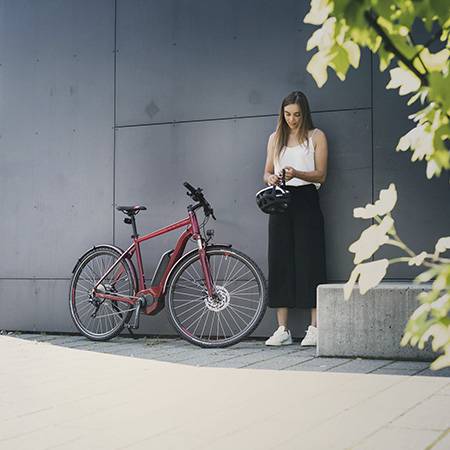
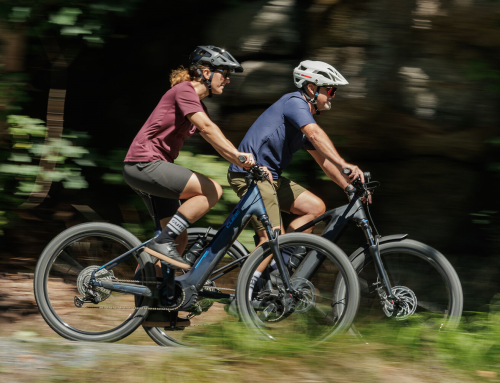
An electric bike (e-bike) is a bicycle equipped with an electric motor and rechargeable battery that assists with pedaling. Most e-bikes use pedal assist technology (PAS), while some also include a throttle for motor-powered riding without pedaling.
E-bikes make commuting, hill climbing, and long-distance riding easier and more accessible.
Electric bikes use three main components:
-
Motor – Provides pedal assistance
-
Battery – Powers the motor
-
Controller – Regulates power output
When you pedal, sensors activate the motor to provide assistance. The level of support can usually be adjusted through handlebar controls.
The legally assisted speed limit in the UK is 15.5mph (28kmph).
Your speed is not prohibited to this number as you can pedal freely above 15.5mph. It simply means that you’ll be under your own steam once you get past this magic number.
Most electric bikes offer a range of 20 to 70 miles per charge, depending on:
-
Battery capacity
-
Rider weight
-
Terrain (hills vs. flat roads)
-
Assist level used
-
Weather conditions
Higher-capacity batteries can extend range significantly.
Charging typically takes 3 to 6 hours, depending on battery size and charger type.
For best battery life:
-
Avoid fully draining the battery
-
Store in a cool, dry place
-
Always use the manufacturer’s recommended charger
Most lithium-ion e-bike batteries last 3–5 years or about 500–1,000 charge cycles before noticeable capacity loss.
Proper maintenance can extend battery lifespan.
All UK legal electric bikes require pedaling for assistance (pedal assist).
Although there are e-bikes out there with throttles, the law states that the crank/pedals must be rotating in order for the electrical assistance to apply.
Yes, electric bikes are legal in the United Kingdom BUT they must adhere to strict regulations.
For example:
-
Their assisted speed must not go above 15.5mph
-
Motor power is limited to 250W
Electric bikes with a motor power rating of more than 250W or attain assisted speeds in excess of 15.5mph cannot be used legally on the public highways (this includes roads, pavements, forest tracks, etc.)
In essence, these types of e-bikes can only be used on private land with the owners permission.
Yo do not need a license, registration, or insurance for UK legal e-bikes.
Yes! E-bikes still require pedaling. Riders can adjust assistance levels or even turn the assistance off completely, making e-bikes ideal for:
-
Low-impact cardio
-
Rehabilitation
-
Longer rides with reduced fatigue
-
Mixed fitness levels
You control how much effort you put in.
Good quality electric bikes (for example, those with a Bosch motor) typically range in price from:
-
£1,750 for entry-level models
-
£2,500 for good mid-range commuter/leisure e-bikes
-
£3,000+ for premium or performance models
Cost depends on motor type, battery capacity, frame quality, and brand.
Common types of e-bikes include:
-
Commuter e-bikes – Designed for daily travel
- Leisure e-bikes – For long rides and fun weekends
-
Electric mountain bikes (eMTB) – Built for off-road trails
-
Folding electric bikes – Compact and portable
-
Cargo e-bikes – For carrying goods or passengers
Choose based on your riding needs and lifestyle.
Pretty much, yes!
Most electric bikes are water-resistant, not fully waterproof. This means that they can handle rain and splashes, but should not be submerged in water or pressure washed.
Electric bikes typically weigh between 18 – 28kg due to the motor and battery.
Weight varies based on frame material and battery size.
However, new technology means that e-bikes far less than 18kg are now available.
E-bike maintenance is similar to regular bikes, plus battery care:
-
Keep tires inflated
-
Lubricate chain regularly
-
Check brakes frequently
-
Maintain proper battery storage as per manufacturer’s guidelines
Annual servicing is recommended for optimal performance.
Electric bikes are worth it if you want:
-
Faster commuting
-
Reduced fuel costs
-
Eco-friendly transportation
-
Easier hill climbing
-
Less physical strain
- More fun….!!
They combine the benefits of cycling with motorised assistance for convenience and efficiency.